
Building type E: Simple, experimental and efficient construction in 2024
31. July 2024

Together with partners from the Alliance for Affordable Housing, the Federal Ministry of Housing, Urban Development and Building (BMWSB) has developed an innovative solution to revolutionize housing construction in Germany: Building Type E. The aim is to make construction simpler, faster and more cost-effective. The “Guideline and process recommendation for building type E” and adjustments to contract law are intended to promote this nationwide.
Building type E: An overview
Building type E is based on the idea of “simple construction”. In essence, it is about deviating from the so-called “generally recognized rules of technology” (aRdT) if these rules only serve the purpose of comfort and not safety. This means that construction projects can be designed more efficiently and cost-effectively without compromising basic safety standards.
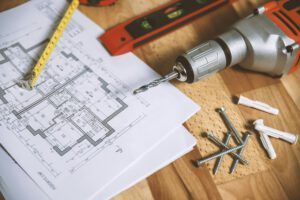
Comparison with previous building standards:
Traditional building standards in Germany are based on the generally recognized rules of technology (aRdT). These include all rules that industry experts consider to be technically suitable, appropriate and necessary for good and faultless construction. Although these standards ensure construction quality, they often lead to high costs and long construction times. Any breach of these rules can be considered a material defect, which increases the risk for builders and investors.
With building type E, on the other hand, builders and architects can deviate from these standards if they are not relevant to safety. This opens up new scope for cost-efficient construction. For example, the thickness of concrete storey ceilings can be reduced or screed can be omitted on wooden beam ceilings without neglecting the basic requirements for load-bearing capacity and sound insulation.
Advantages of building type E:
- Simpler and cheaper construction: By dispensing with unnecessary standards, construction projects become cheaper.
- Faster construction times: Less bureaucracy and faster decision-making processes lead to shorter construction times.
- Innovative and individual solutions: More flexibility in planning enables creative and needs-based construction projects.
- Efficient use of materials: The targeted use of materials reduces costs and conserves resources.
- Broad applicability: Building type E can be used both for new buildings and for the refurbishment of existing buildings.
Practical examples of simple construction:
- Concrete storey ceiling: Instead of the usual 18 centimetres, storey ceilings can be reduced to 14 centimetres, which saves material and costs. The impact sound insulation remains sufficient.
- Wooden storey ceiling: The absence of screed in wooden beam ceilings reduces costs and is still functional.
- Sockets and cables: The number of sockets can be reduced as required, which lowers installation costs.
Legal support for building type E
The German government is planning to amend the German Civil Code (BGB) in order to provide legal protection for Type E buildings. The aim is to adapt the law on contracts for work and services/construction contracts so that expert contractual partners can deviate from the aRdT even without comprehensive clarification. The planned “Building Type E Act” is due to come into force at the beginning of 2025 and will further strengthen the new building standard.
In addition, the BMWSB relies on industrial production methods such as serial, modular and systemic construction. These methods enable production regardless of the weather and significantly shorten the construction site time. In combination with building type E, urgently needed living space can be created more quickly and cost-effectively.
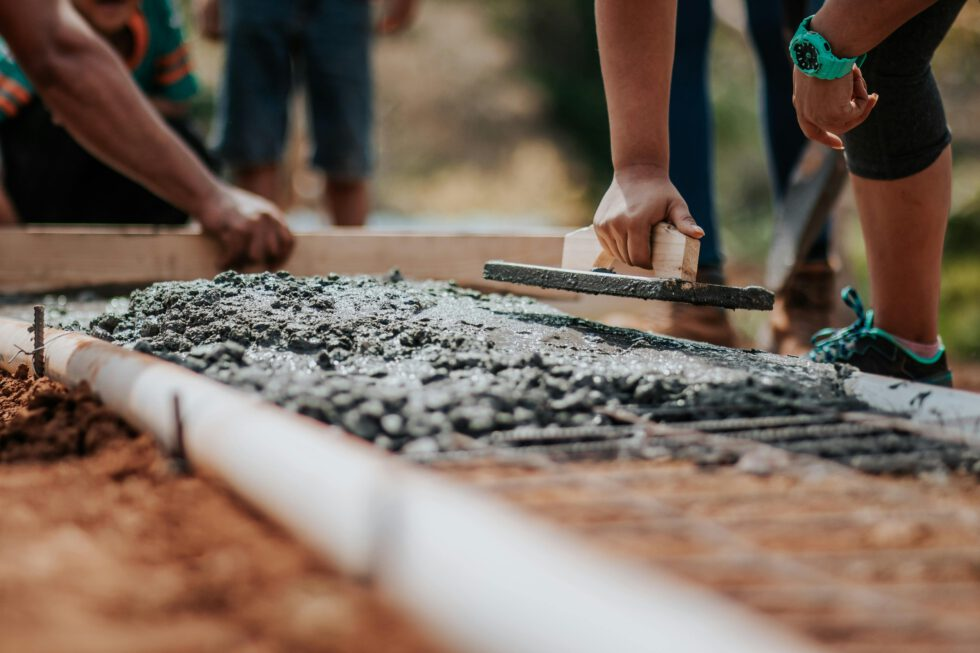
Increased efficiency through industrial production methods
In addition to building type E, the BMWSB relies on serial, modular and systemic construction methods. These methods enable weather-independent production and significantly shorten construction site times. This means that urgently needed living space can be created more quickly, especially in urban areas.
Conclusion
Building type E represents a significant innovation in German residential construction. As real estate agents, we see great potential in this approach, as it enables construction projects to be realized more cost-effectively and quickly without compromising on quality and safety. This is a major advantage for investors and buyers looking for affordable housing.
More articles from Maile Immobilien
News
Climate-Resilient Living in Stuttgart in 2026: The Best Tips for a Future-Proof and Heat-Resistant Home
Tipps & Tricks
At the end of June this year, a new temperature record of 39.2 degrees was recorded in Stuttgart, accompanied by several unusually warm nights. This has once again made many Stuttgart residents acutely aware of just how hot the city’s climate can get.
Read more
The Real Estate Industry in Transition: Opportunities and Risks Posed by Artificial Intelligence
Real Estate Market
The real estate industry has been undergoing a digital transformation for years. Online property listings, virtual tours, and digital contract processes have long been an integral part of everyday real estate operations. With the increasing use of artificial intelligence (AI), a new development is now emerging that has the potential to bring about lasting changes…
Read more
The Impact of Acoustic Solutions on Living Comfort
Tipps & Tricks
Pleasant room acoustics are a crucial factor in modern living comfort, yet they are often underestimated when planning many living spaces. While aspects such as design, floor plan, and furnishings are often the focus, acoustics significantly influence how a home feels. Especially in an era of working from home, open-concept living, and dense development, acoustic…
Read more