
Smart home future: the path to a connected home in 2025
9. January 2024
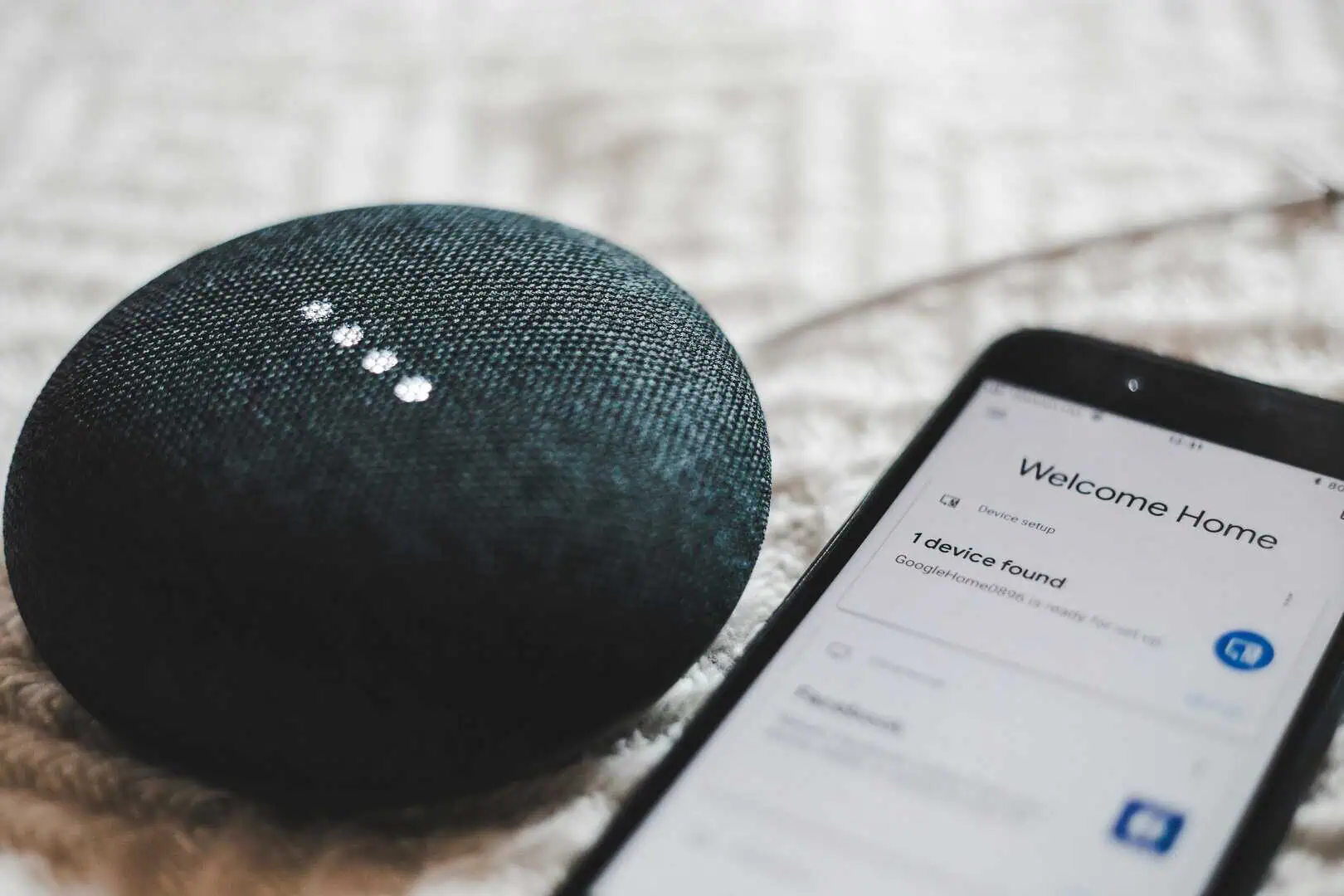
Digitalization is not only making our lives faster, but also more convenient – especially within our own four walls. Smart technologies that connect devices and systems are now standard in many households. But how exactly does a smart home work and what benefits does it bring? Let’s take a closer look.
What makes a smart home?
A smart home links various devices such as lights, thermostats, security cameras and speakers via a central platform. These can be controlled via app, voice assistant or automation. They are often controlled via systems such as Amazon Alexa, Google Home or Apple HomeKit. The aim of a smart home is to maximize comfort, energy efficiency and security. Residents can individually determine how the devices are adapted to their needs.
A key feature is automation: for example, lights can be switched on automatically when someone enters the room, or the heating can be lowered when the house is empty. These functions make the smart home a flexible companion in everyday life.
The advantages at a glance
- Convenience:
– Lighting, heating and entertainment devices can be conveniently controlled by voice command or smartphone.
– Example: With a voice command such as “Hey Google, play my favorite music”, the entire system can be adjusted.
– Automations, such as switching on the heating 30 minutes before waking up, provide more convenience. - Energy efficiency:
– Smart thermostats, such as the Nest Learning Thermostat, can optimize heating and cooling systems and thus reduce energy consumption.
– Smart lighting systems, such as Philips Hue, ensure that lights are only switched on when they are needed. - Security:
– Motion detectors, cameras and smart door locks, such as those from Ring, offer protection and notify residents of unusual activity.
– Smart smoke detectors, such as Nest Protect, can detect not only smoke but also carbon monoxide and send alarms directly to your cell phone. - Flexibility:
– Smart home systems are modularly expandable. Would you like to add new functions, such as automated blinds? No problem!
– They are suitable for various living situations, from rented apartments to detached houses.
Another advantage is the integration of different devices from different manufacturers. Platforms such as Apple HomeKit or Samsung SmartThings make it easier to combine devices from different brands.
Areas of application for smart home technologies
- Lighting:
– Smart lamps such as the Philips Hue White and Color Ambiance can be dimmed or set to different colors to change the atmosphere. - Climate:
– Intelligent heating and cooling systems such as the Tado° thermostat can automatically regulate the temperature based on weather data and your presence. - Security:
– Smart cameras such as the Arlo Pro 4 notify you of movement and offer live streaming directly to your smartphone.
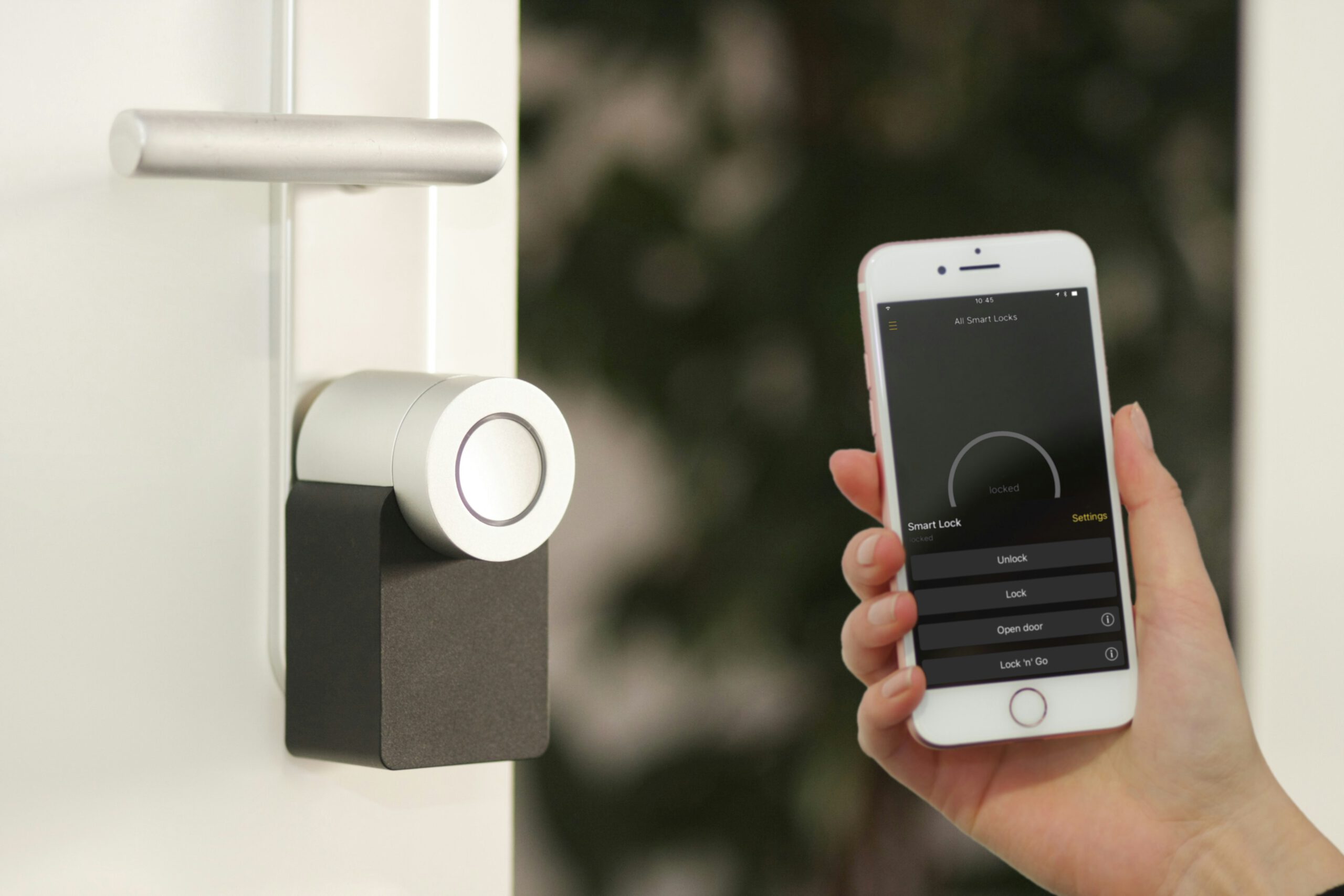
– Automated door locks such as the Nuki Smart Lock offer keyless access and can grant guests temporary access. - Kitchen:
– Connected appliances such as the Samsung Family Hub fridge make stocking up easier and offer recipe ideas based on available food.
– Smart coffee machines such as the Smarter Coffee 2nd Generation can be individually programmed so that your coffee is ready when you wake up.
Another interesting area is the integration of voice assistants such as Alexa into everyday life. These can create shopping lists, set reminders or even network smart home devices.
Data protection: a special challenge
Data protection is a major issue in the smart home. Smart devices collect data about usage behavior, which poses potential risks.
Tips for more safety:
- Choose devices from manufacturers with transparent data protection policies, such as Eve Systems, which do not require cloud services.
- Use a strongly encrypted WLAN network and change your passwords regularly.
- Deactivate functions that you do not use, such as microphones or cameras, if they are not required.
- Read data protection guides like this one from Tink: Data protection in the smart home.
Choosing smart home systems that work locally and without cloud services can also minimize the risk.
Conclusion
Smart home technologies offer a wide range of benefits, from greater convenience and increased security to more sustainable living. Those who familiarize themselves with the various options and take the right measures for data protection can make everyday life much easier. A connected home is not just a trend, but a step towards a more efficient and convenient future.
Whether you want to equip your home with smart lamps, intelligent thermostats or security devices – the possible applications are almost unlimited. Start with a small system and expand it step by step to create a smart home that is perfectly tailored to your needs.
More articles from Maile Immobilien
News
Climate-Resilient Living in Stuttgart in 2026: The Best Tips for a Future-Proof and Heat-Resistant Home
Tipps & Tricks
At the end of June this year, a new temperature record of 39.2 degrees was recorded in Stuttgart, accompanied by several unusually warm nights. This has once again made many Stuttgart residents acutely aware of just how hot the city’s climate can get.
Read more
The Real Estate Industry in Transition: Opportunities and Risks Posed by Artificial Intelligence
Real Estate Market
The real estate industry has been undergoing a digital transformation for years. Online property listings, virtual tours, and digital contract processes have long been an integral part of everyday real estate operations. With the increasing use of artificial intelligence (AI), a new development is now emerging that has the potential to bring about lasting changes…
Read more
The Impact of Acoustic Solutions on Living Comfort
Tipps & Tricks
Pleasant room acoustics are a crucial factor in modern living comfort, yet they are often underestimated when planning many living spaces. While aspects such as design, floor plan, and furnishings are often the focus, acoustics significantly influence how a home feels. Especially in an era of working from home, open-concept living, and dense development, acoustic…
Read more